


Egyptian Swiss Group Participates in IAOM 2025, Highlights Grain Trade Challenges and Growth Opportunities for the Coming Year

Egyptian Swiss Group Participates in IAOM 2025, Highlights Grain Trade Challenges and Growth Opportunities for the Coming Year
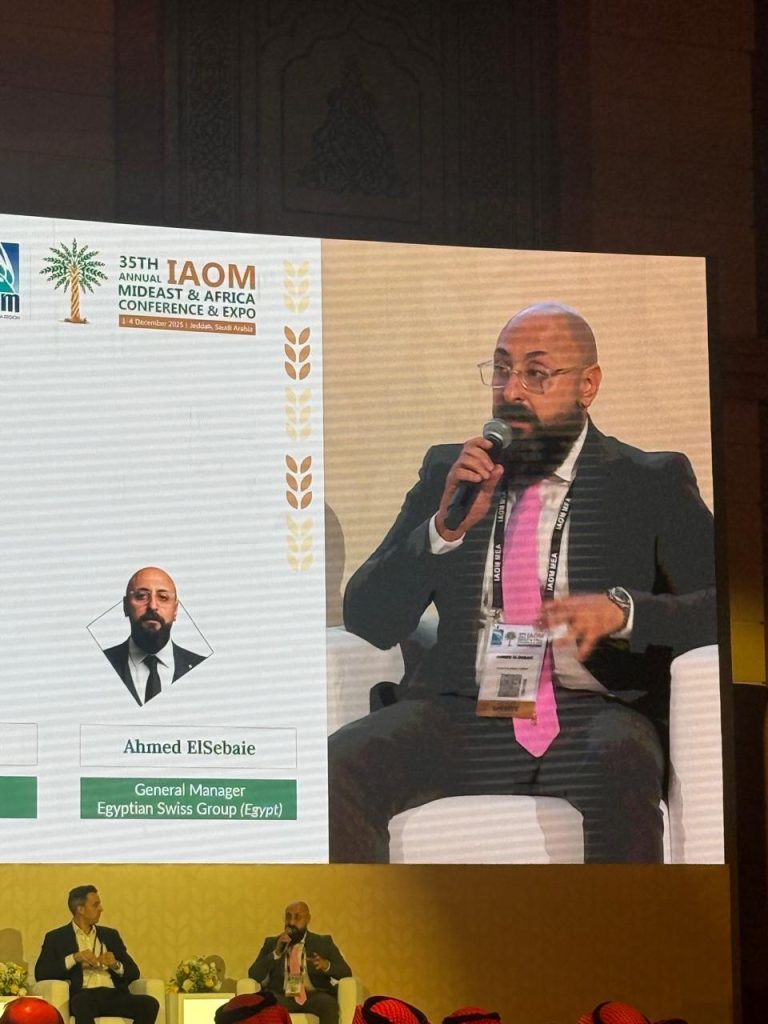
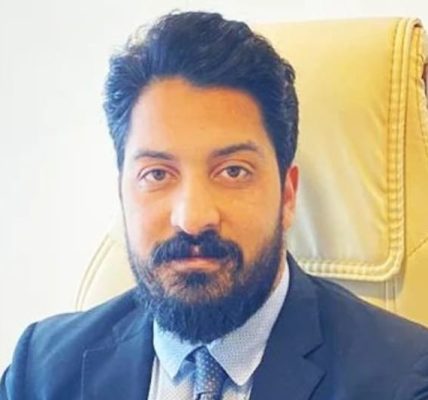
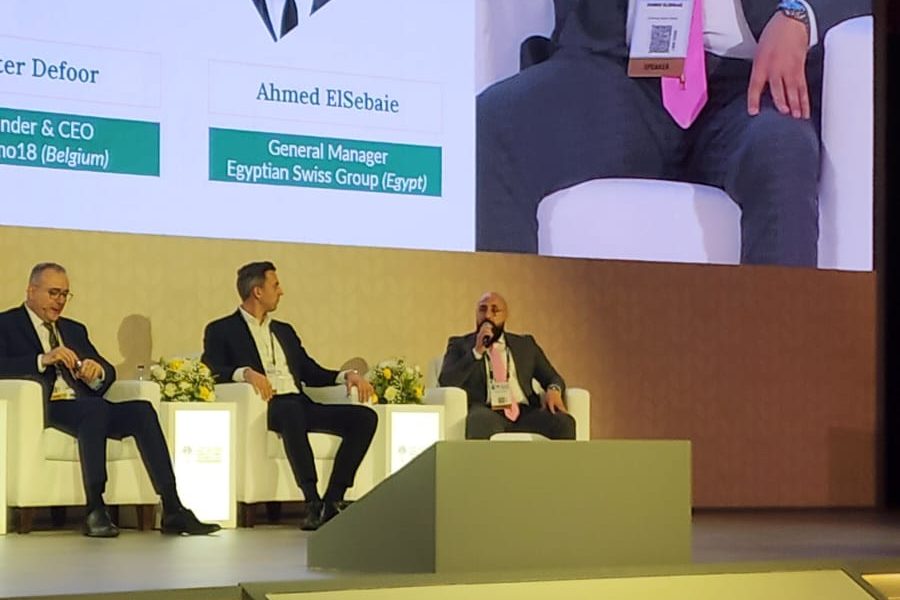
Eng. Ahmed ElSebaei, General Manager of Egyptian Swiss Group for Pasta, Milling and Concentrates, participated as a speaker at the 35th Annual IAOM Middle East & Africa Conference, held in Jeddah, Saudi Arabia from December 1 to 4. His participation represents an important step that reflects Egypt’s pivotal role in the global grain-trade ecosystem.
During his address at the conference sessions, ElSebaei explained that the participation comes at a time of profound shifts in international markets, making technical dialogue between global industry players essential to strengthening market stability and developing advanced risk-management mechanisms.
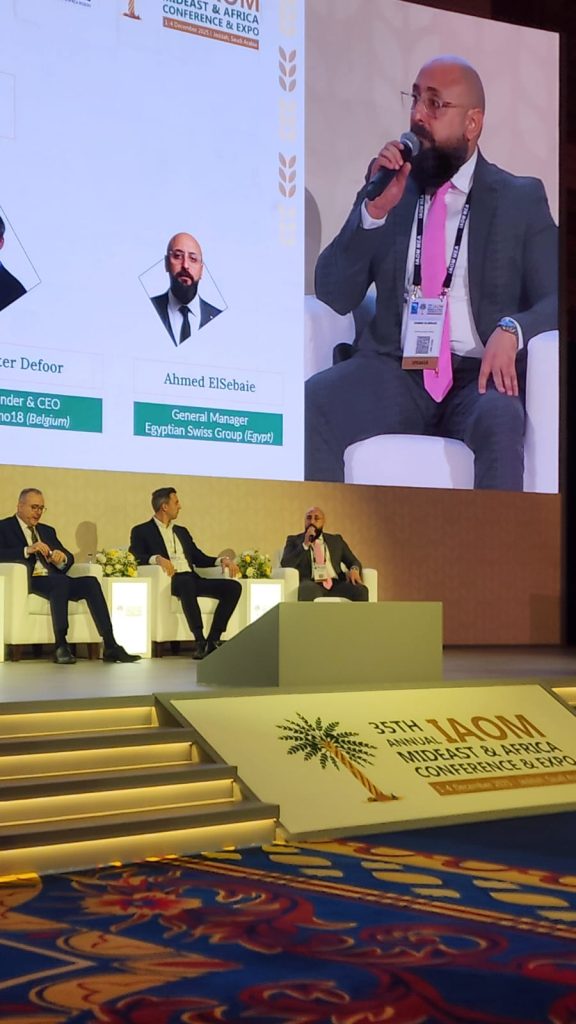
He noted that the conference addressed structural transformations in the global grain market, shifts in supply-chain dynamics, volatility in international prices, and the direct impact these factors have on the milling and food-processing sectors across the region.
ElSebaei stressed that the grain market in the Middle East and Africa is currently navigating a sensitive phase that demands a new level of readiness from companies, especially amid rising freight and insurance costs and climate-related disruptions that have affected crop quality and output in major exporting countries.
He added that the milling sector—one of the most strategic pillars of the food-production industry—must now adopt more advanced tools for risk management, diversify sources of supply, and upgrade storage infrastructure to ensure consistent product quality and meet rising demand.
In this context, ElSebaei highlighted that silo capacity and storage efficiency have become critical areas requiring stronger focus. He explained that the lack of proper segregation between wheat grades inside many silos often leads to significant variation in protein levels—even within the same shipment.
He emphasized the need to develop improved segregation and storage systems to ensure stable quality, maintain accurate protein specifications, and eliminate multi-level variation within single cargoes.
Discussing the Egyptian market, El-Sebaei noted that 80% to 90% of Egypt’s wheat imports originate from the Black Sea region, which makes price trends in this market largely disconnected from global commodity exchanges.
He pointed out that the Black Sea is fundamentally a physical commodity market, not a futures-driven one—making price forecasting difficult and requiring companies to develop stronger hedging tools and diversify their import sources when necessary.
ElSebaei explained that while this reality poses challenges for policymakers and millers, it also creates opportunities in hedging, forward-purchase agreements, and building long-term supplier partnerships.
During the IAOM 2025 session, he noted that the grain-trade ecosystem is undergoing rapid change—from climate impacts on crop production in several countries to rising demand across Africa and the Middle East, the emergence of new suppliers, and intensified competition among regional mills for secure and stable supply channels.
He affirmed that the Egyptian Swiss Group’s presence at the conference aligns with Egypt’s strategic position as one of the world’s largest wheat importers and a key player in the regional food-manufacturing system.
ElSebaei added that the participation of Egyptian companies in major international conferences has become essential to reflect the perspective of the national industry, build balanced understanding of regional challenges, and develop strong networks that support supply-chain resilience and sector competitiveness.
He concluded by emphasizing that IAOM 2025 in Jeddah offers a vital platform for millers, traders, equipment suppliers, and industry experts to exchange knowledge, explore the latest milling technologies, enhance regional and international cooperation, and strengthen food-security systems across the Middle East and Africa.